
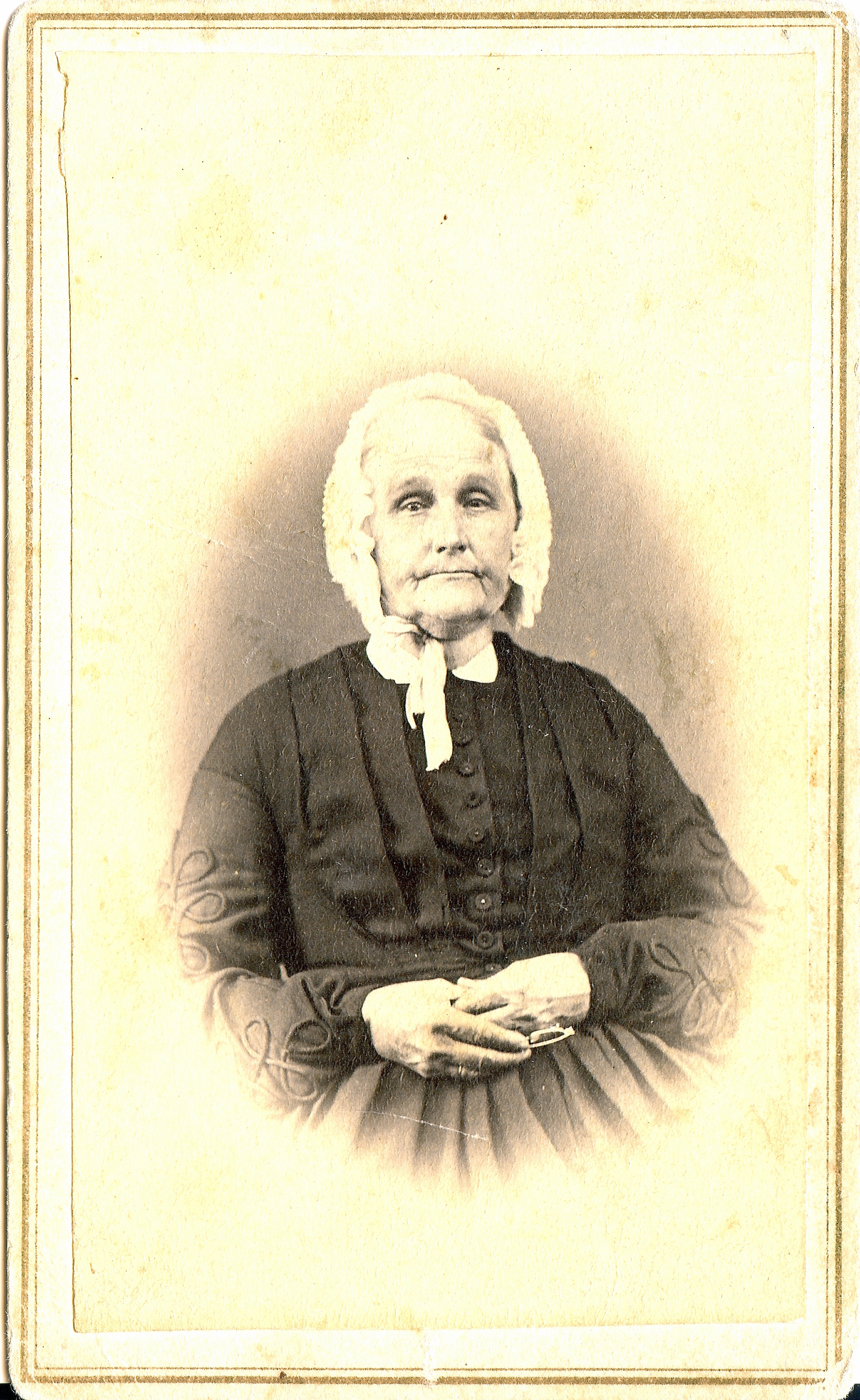
Jane (McDowell) Nelings
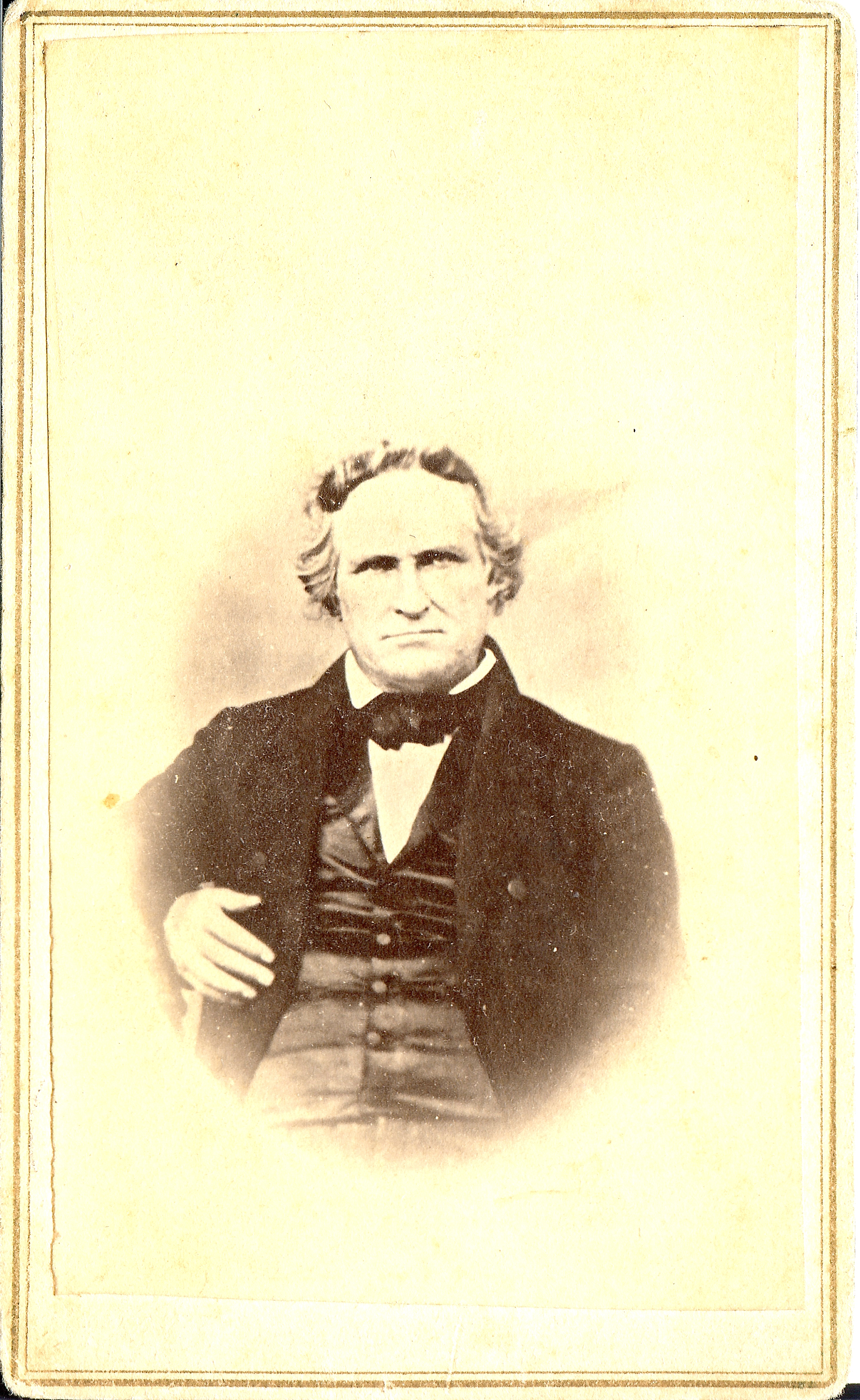
William Nelings
Rumor was the Nelings were traceable back to the American Revolution.
Here’s support:
(source)
Jane (McDowell) Nelings
William Nelings
Rumor was the Nelings were traceable back to the American Revolution.
Here’s support:
(source)
The above section is from The History of Clayton County and includes the names of many local men and boys from Clayton County Iowa. Some of these names are also in an account book kept by Daniel T Nelings from 1867 onward. The link to part one of the account book, in pdf form, is below.
Some names from the account book include:
Daniel T was a plasterer by trade, an occupation he continued in Huron South Dakota. His account book lists money paid to him for work done as well as his expenses. More this account book in later posts.
Going through emails I found a paragraph written by Helen Brannan, a retired professor in Women’s Studies from the University of Wisconsin Oshkosh, on Jessie Hooper:
“In the early years of the twentieth century, people in Oshkosh knew Jessie
Jack Hooper (1865-1935) as a talented local woman who became a leader of the women’s suffrage movement, instrumental at both the national and state levels in working toward the passage of the 19th Amendment and in making Wisconsin the first state to ratify it. After that success, Hooper’s remained prominent as the first state president of the League of Women Voters, the organization formed by former suffragists to ensure that women’s votes, won with such difficulty, would be effectively cast. Only two years after casting her first ballot, Hooper appeared on one, running as the Democratic candidate for the US Senate against Robert M. LaFollette in 1922. Her defeat did not diminish her commitment to political activism; instead, she simultaneously increased the geographical scope of her efforts while retreating back within the sphere of women’s voluntary organizations. Hooper worked with Native women, notably Lilly Oshkosh, to organize a chapter of the League of Women Voters on the Menominee Reservation, which won tribal support in 1925 for amending an allotment law to enable the tribe to retain all mineral rights and unalloted lands. Hooper’s strongest activist commitment after suffrage was the movement for world peace. She served as chair of international relations for the General Federation of Women’s Clubs, and later brought the petitions from a Conference on the Cause and Cure of War to the World Disarmament Conference in Geneva in 1932.
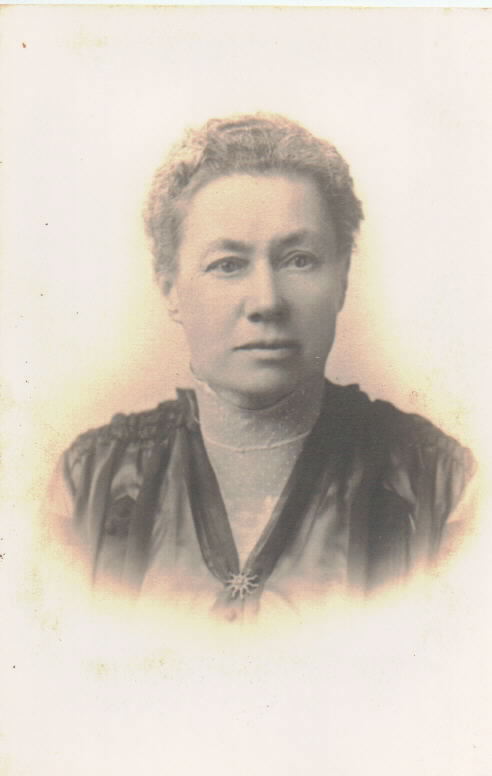
Willie Nelings Swale
Willie Nelings (1861-1921) sounded like quite a woman. In Bess’s note about the family, Willie was one of the sisters who remained behind in Iowa teaching and continued to teach when she moved out to Dakota Territory.
She married Frank Swale, an attorney from New Hampton Iowa. They moved out to Washington State. Eventually Willie’s sister Mary moved out to Washington State after her husband, Charles Suddaby, passed away. Then, after Willie died in 1921, Mary and Frank Swale were married in Whittier California with Mary’s sister Bertha and husband John Manning as witnesses.
Willie was likely the “Nelings girl” mentioned in the 1886 School Education publication below.
And from 1887:
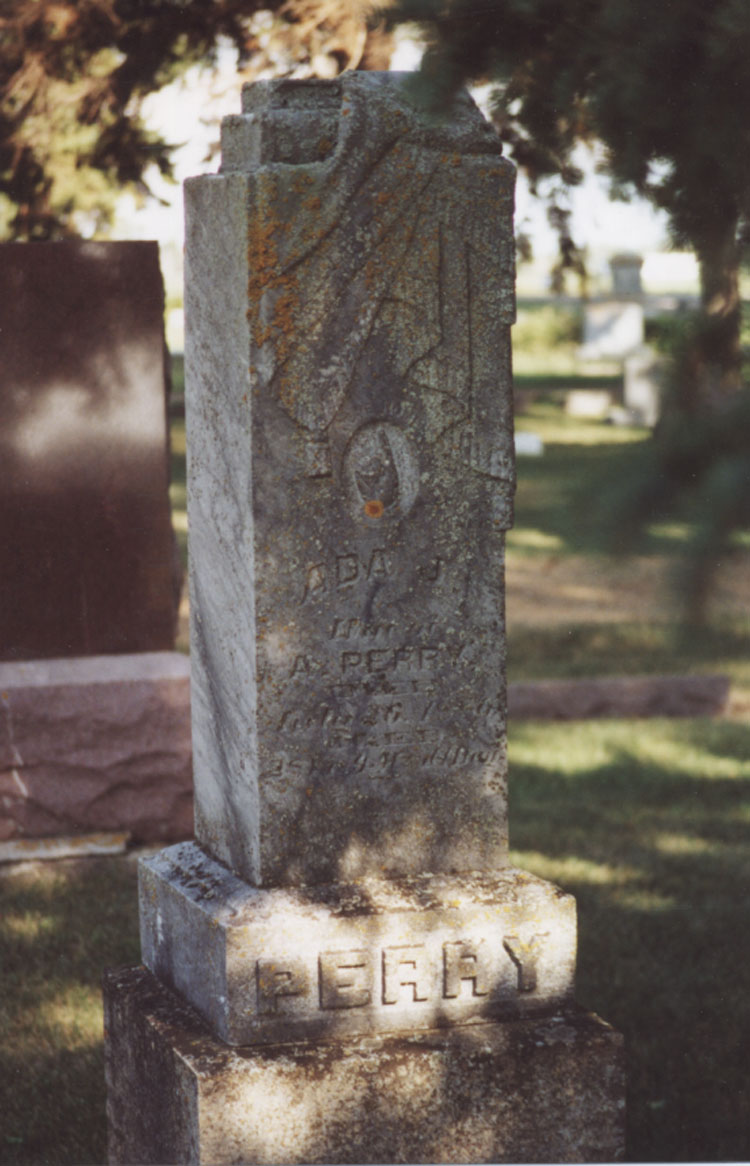
Adah Jane Hazel was born in October of 1857 in Wisconsin. She moved with her parents and siblings to Blue Earth County in Minnesota sometime after that.
She married Allen Perry, son of James and Lydia Perry, in Mankato Minnesota. Allen and Adah, along with George H Perry and Elbert and Alice (Perry) Keith moved to Lake County Dakota Territory in the 1880s. While George and Elbert moved back to Minnesota, Allen and Adah stayed in Lake County living in Madison DT. Not much is known about Adah, although there is a report from the Madison newspaper that Allen was in repeated trouble with the law for selling alcohol in a dry county.
Adah died in 1888, her estate was probated in 1889 with her assets all going to cover a mortgage on property in Madison. In the 1890s Allen moved to Montrose in McCook County SD.Sometime in the 1900s Allen may have moved to California, some evidence suggests Tulare County in the central valley.
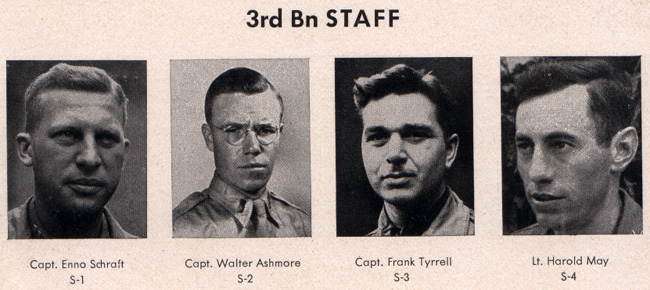
Frank Tyrrell
Frank “Delos” Tyrrell was born in SD and moved to Seattle. He enlisted in the Army during WWII and was part of the European theater, including troops who went into Germany at the end of the war.
He sent a series of letters back home, writing about the war, the Germans, and Germany. He also brought home two parachutes, one from the Nazi military and another one that was US. These parachutes have been donated to the South Dakota Historical Society, along with pdfs of the letters, also found below.
More details later.
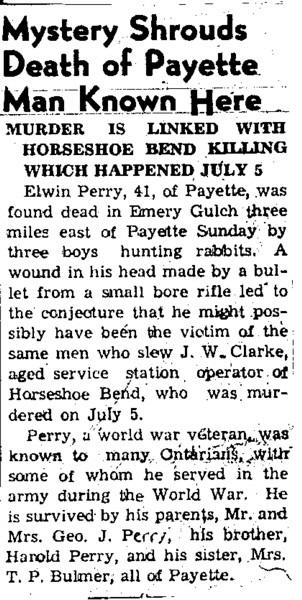
Obituary of Elwin Perry
James Perry moved from Vermont to Illinois and then Minnesota. He married Lydia Smith in Rockford IL, where their son Charles J. was born. They then moved to Minnesota, living at various times in Traverse de Sioux, Ottawa, Arlington, Sterling Center and Winnebago.
Of James and Lydia’s children, two (George H. and Alice) moved to Idaho around 1900. Three remained in Minnesota. Charles moved up to St Paul, William lived in various locations and Sarah stayed in Amboy and Sterling Center in Blue Earth County.
George and his wife (name to be placed when I have access to my files) had one son, Elwin, who fought in WWI. He was later found murdered.
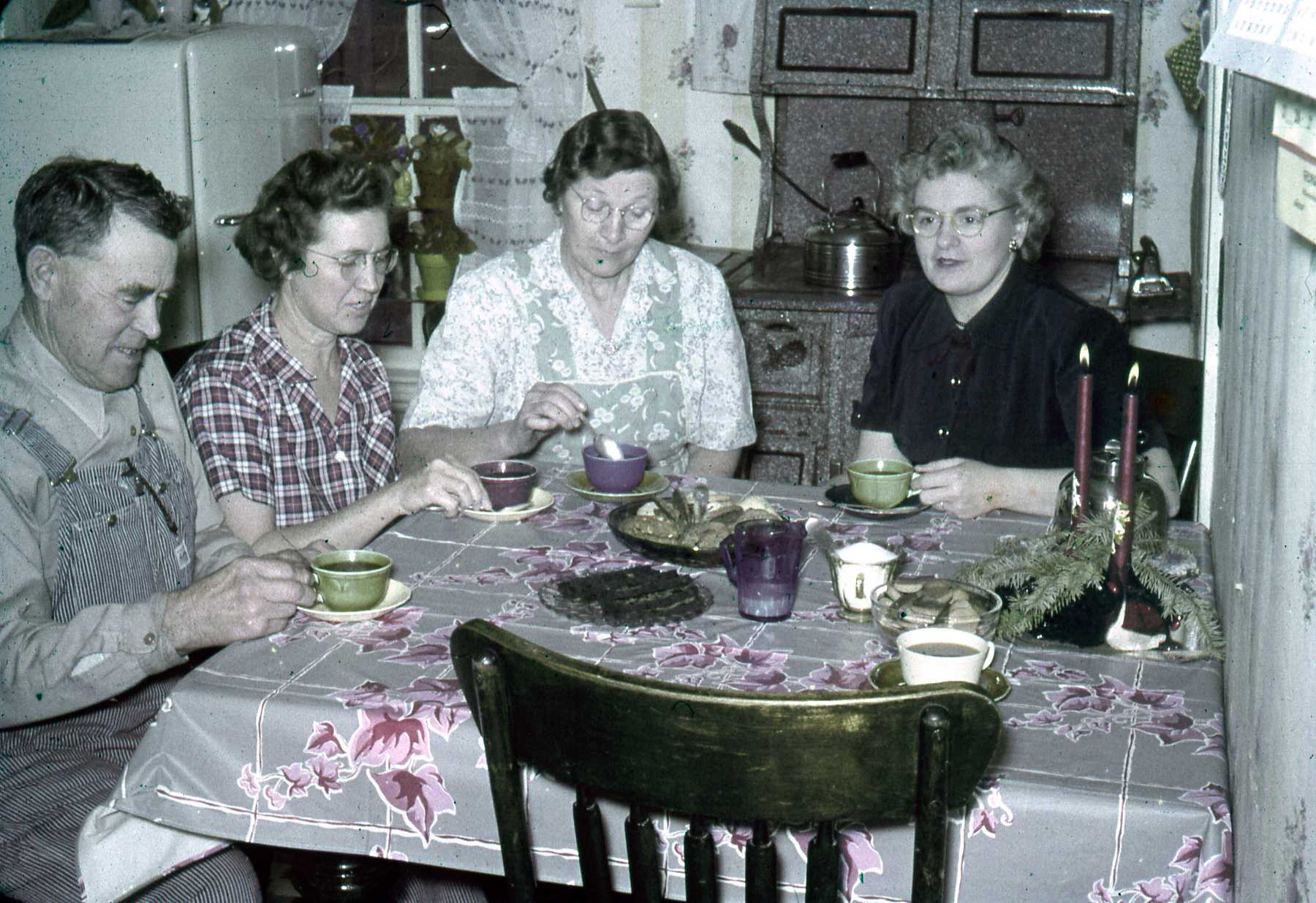
Tom Tyrrell Jr, Celia Perry, Christina Tyrrell, Millie Tyrrell
No specific genealogy post today. I want to give belated thanks to people.
To my parents, who instilled and encouraged an interest in history and my family from a young age. All those cemeteries, all those courthouses, all those trips to little towns and wide spots that used to be towns, I still love to do these things! And the stories that everyone in the family told. Some scary to teach us lessons about natural dangers, some funny, some sad, some heroic–all serve to reinforce the importance of family and friend.
To Aunt Diane and Aunt Theo who saved items and have been very free with spreading them to others.
To Jan, Jana, Tara, Dick, Kay and all the Tyrrells–especially George– for being a wealth of information. I have learned a lot from George and hope he gets his files sorted!!
To my sisters for insisting we spend part of each Christmas going through pictures and watching old movies.
To the county court clerks and librarians for being keepers of record.
Keep making stories!

Nelings girls. Gertrude in center bottom (poss)
Aunt Bess Nelings wrote this story of her family. She is one of the women in these beautiful hats.
[on back of paper]
This is the Nelings Family
My father was D.T. Nelings.
This is a story I wrote some time ago. And first run onto it to-day Mar. 28. 1955. thot I would copy it some one might read it some time. Bess.
[front of paper]
My father came to South Dakota, then Dakota Territory, in 1881, he worked in Huron the summer of ’81 went back to Elkader Iowa, in the fall came out again in 1882, worked that summer, took land (filed on land) as they called it. In Foster Twp. Beadle Co. where we still live. In the fall Nov. 8, 1882 the family came Mother, two boys Jimmie and Claud and us girls Bertha, Maud, Girlie and myself (Bess). In the spring of 1883 the other three girls came. The two older ones Willie (Wilhemina) and Jennie had been teaching school and Mary was staying with an aunt. On April 7-1886 my younger brother Dick was born in S.D. When we came in 1882 we came by train to Iroquois and went finally to the homestead, there was just a little wooden shanty about 26×24. With a floor half way across above for sleeping space. A stove pipe sticking out of the roof. And only about three [?] houses in sight. After the family was mooved in on the land some food and fuel hauled in, Father went back to Huron to work for the family had to eat. Mother and we kids were alone out on the prairie, Father came home Sat. night after working all week He often walked all the way out from Huron, or if he could off in time he would catch the train to Iroquois and walk home from there. 8 ½ miles. I remember them telling about that first winter there…came a snow and father rushed home hired coal and flour hauled out to the homestead thinking a hard winter was upon us. But it proved to be a mild winter.
Father bought oxen and my brother James and Claud (14 and 16 years old) broke up the land. While Father stuck to his work. He was a plastering Mason by traid. He worked on many of the old houses in Huron and Iroquois, he plastered the old Dakota house and worked on the old Court House. Said he slept in a tent the first year he worked in Huron.
But I think it was Mother who real had the hardest part of the pioneering. Alone way out there on the prairie with a house full of children. I know she used to cover up the windows, so no ray of light would shine out. (except Sat. night then she had the boys put the lanterns up on the corner of the roof so Father could find his way) She would read aloud to us for hours in the evening by candlelight or a small kerosene lamp. She was afraid of Indians but she never let us know it. After years she told us of how she was so afraid. But we were all blissfully happy I guess. My older brothers knew she was afraid.
One morning she got us all up early and said we would go to a neighbors 2 miles away. She thought she had seen Indians coming. They came nearer then she seen they were antelope seeing them in a mirage and being frightened she seen them as Indians. The antelope came right up to the clothes line when the clothes were hanging.
At first there was no school my sister Jennie taught us children at home. Then the school house was built. And she taught the first school in it. There was no twp organization then one member of the school board lived up near Lake Byron and another near where Sheffield is now. She had to make that round to get her money and I think she got $18.00 a month.
My oldest sister Willie taught in Iroquois when she was the whole teaching staff. And in Mitchel when there was one other teacher beside herself.
She stayed in the school house in Mitchel and kept the children there in the blizzard of 1888.
We seen in the summer of 1883 shanteys sprung up on nearly every quarter section. These mostly single men and girls who took the land at first. My mother bajed bread for as many as 10 batchelors at a time. Sometimes she would make cookies or a pie. She would send the younger girls to stay with the young ladies at night. She tried to mother them all. Giving her supply of home remedies when they were sick. Mending their clothes sewing on buttons. When they had proved up on their land they all left. The shanteys were tore down and all was bare again. The next people who came were Men with families. They stayed unless they couldn’t take it. And hard times drove them out but some stayed and as ourselves are here yet. Or gone beyond the sunset.
We went through the Blizzard of 1888 the school teacher came to our house that morning they was short of cole at the school house so couldn’t have school.
My brothers Jimmie and Claud were in the farm when the storm struck doing chores. They were there about eight hours. Mother and Father were frantic thinking the boys were out in the storm. Mother tore some new muslin (she had in the house) in strips she tied them together and tied it to Fathers arm. Then the teacher let it out the window of a summer kitchen holding it tight the string would reach away farther then the barn. But Father never hit the barn he would go as far as he could then the teacher would hold the string Father would follow it back rolling it up as he came. He made a good many tried but never found the barn. The boys heard some one call and thought Father was out in the storm. So they put the dog out and followed him, and this way got to the house. Old Doc, a little brown spaniel, he kept his nose to the ground and just scratched along. Although he was nearly exhausted as my brothers were when they reached the house. We had cole and plenty of food so we went through the storm all right. In the morning it was clear and cold and the prairie was dotted with cattle and horses frozen to death some standing upright in the drifts.
We have had to stay all night in the school house in storms. We lived through the drought, the days of cow chips and twisted hay. But always had clothes to keep us warm. Enough food to eat and fire to keep up warm in winter. And something a little extra for Christmas and the other holidays.
Sometimes when I see what children get now at Christmas I wonder if they are any happier than we were with Molasses candy and popcorn balls. And Oh-an orange in the toe of my stocking. And maybe new mittens or new overshoes. A scarf or hood something always that we needed. Of course we had dolls out sister who was teaching school always managed a doll or toy.
Father and Mother finished they days on the homestead they were pioneers and never cared to leave the home they had put so much of themselves into. And gone through so many hardships to establish a home in a new country. You might say blazed the trail for coming generations.
[The school teacher mentioned was Jim Murta. The neighbor 2 miles away was Bailiff [?]]
Thomas B Tyrrell/Tirrell came to the US from Lincolnshire, England. He was born in 1854 and came to the US in approximately 1868.

Thomas B., Philip, Thomas J, Vern
His family, including father Philip Tirrell and brother Phillip, lived in Illinois when they came to the US. Settling in Chicago, on Blue Island Ave, in a neighborhood now in the south side of Chicago, they lived with other recent immigrants including a lot of Tyrrells.
They then moved to South Dakota, where Thomas B. Tyrrell filed on a homestead claim on 160 acres in Yale, South Dakota on April 5, 1890.

 Perry Family Tree