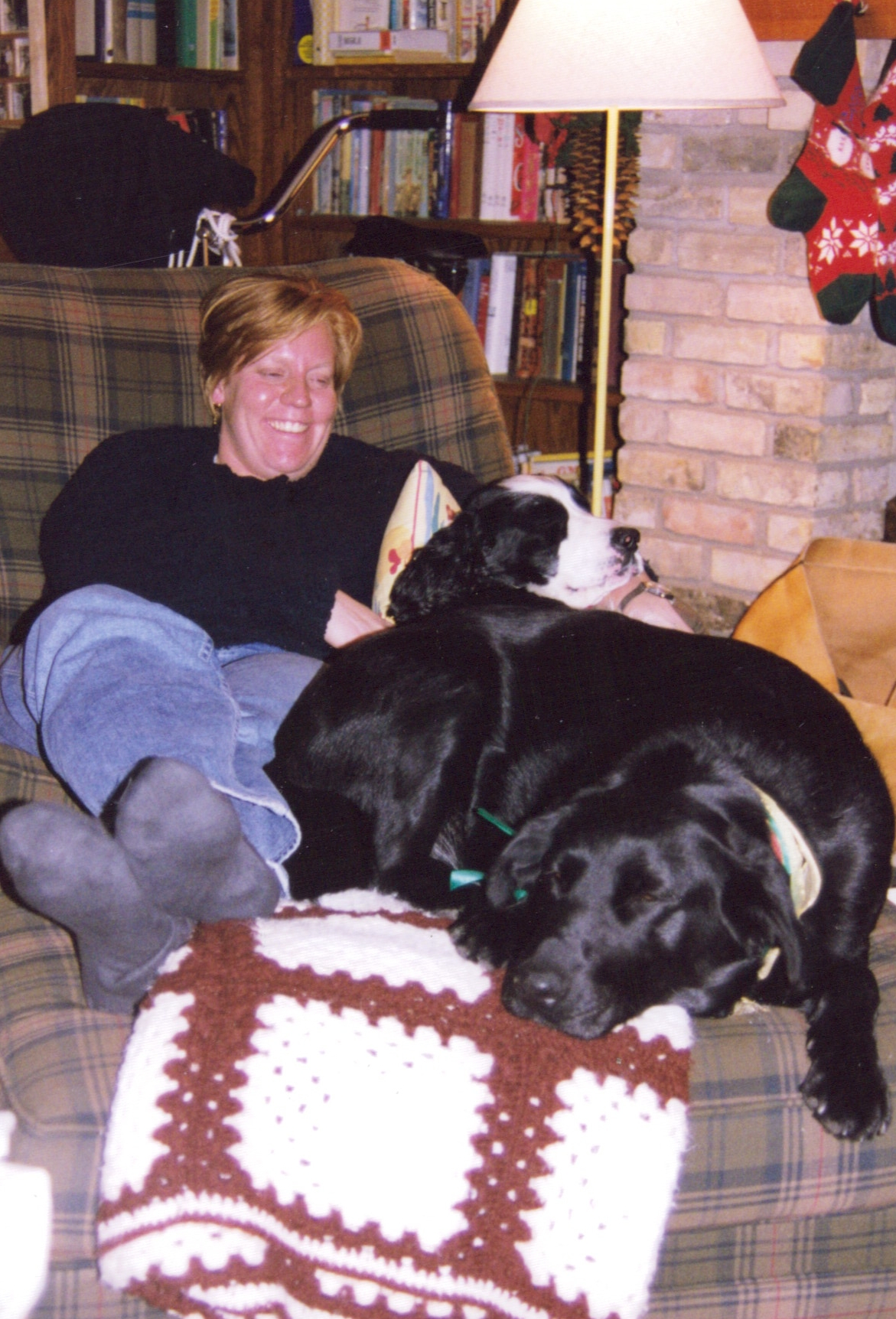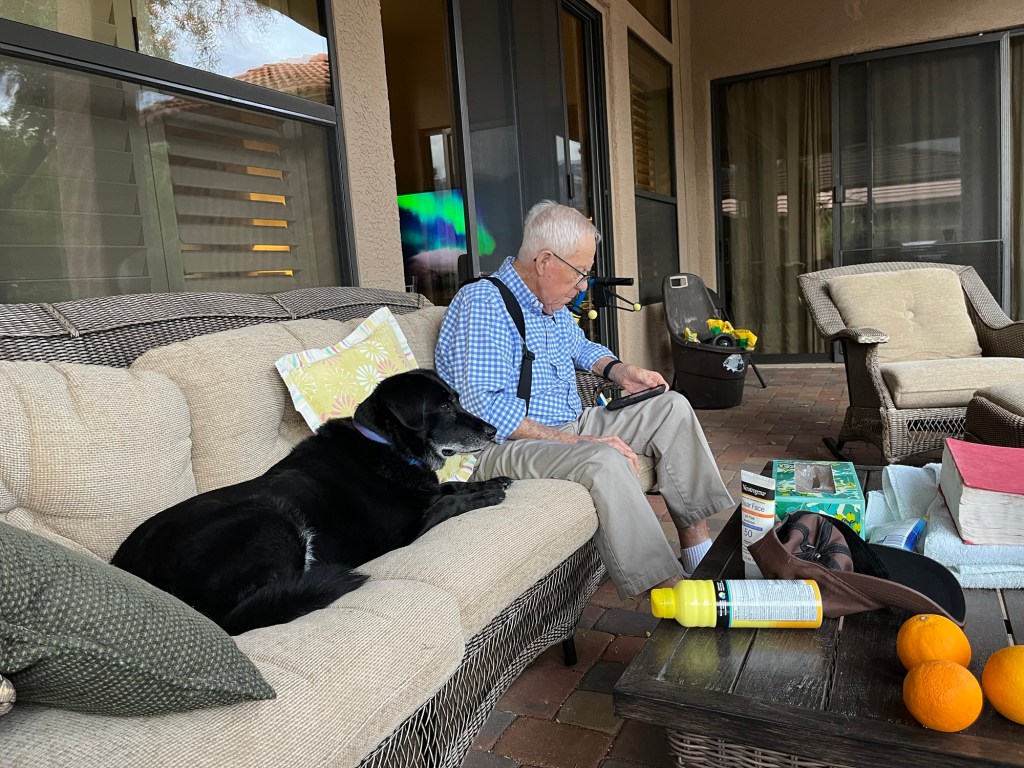
My dog, Charlie, died two weeks ago. I first fostered her as a rescue, and my dad adopted her not long after my mom passed away. When my dad died in 2024, Charlie came to live with me for another two years. Losing her feels like losing one more piece of my dad.
Dogs have always been part of my family. We had a beagle, a bunch of labs, and a springer spaniel over the years. Other relatives usually have at least one dog around—sometimes two. Dogs bring joy, energy, mess, and warmth into a house (and yes, they drain the bank account). We’re a dog family.
After Charlie died, I started wondering how far back this goes. My family wasn’t wealthy enough in the 1800s to have commissioned portraits with pets in them, so before photography, the only way to track dog ownership is through old municipal and state records. In Pennsylvania—where the Nelings lived for much of the 18th and 19th centuries—the state actually taxed dogs. Chester County even published fines for dog‑related sheep damage and listed yearly dog taxes. In the 1830s, the tax was $1 per dog, mostly to keep the dog population under control.
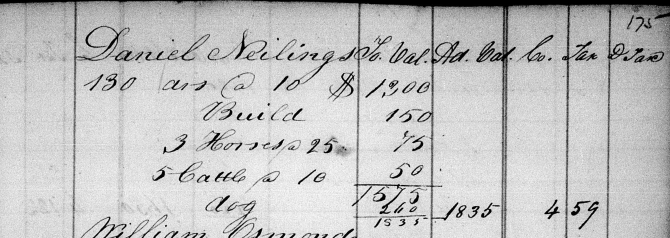
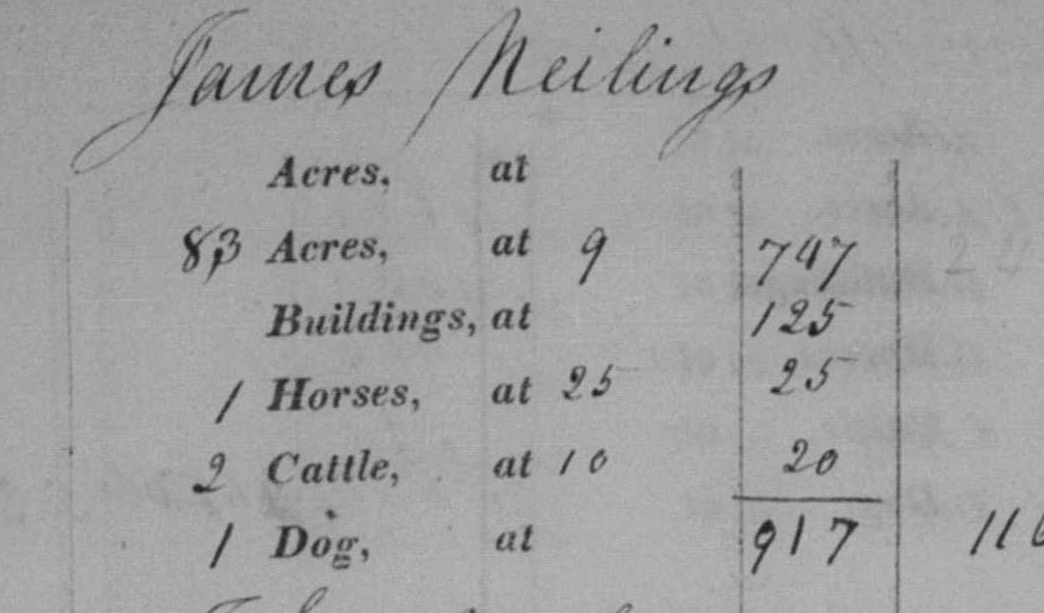
The earliest record I found is from 1831, when Daniel Nelings was taxed for a dog. In 1832, the West Chester Record reported that Daniel, living in Lower Oxford, paid $2 for two dogs for the year 1831. The next year, he paid $7. There aren’t newspaper records for 1833–1836, but in 1837 a William and a Daniel “Nieland” (almost definitely Nelings) paid $3 and $10. By 1838, Daniel paid $22. In 1840 and 1841, his son James was taxed for one dog. And in 1843, Daniel paid $42—more than anyone else in Lower Oxford—while his son William paid $8.50. In 1854, William’s brother, James, was taxed $21 for the Sheep Fund for his dog (West Chester Record Feb 28,1854).
The Nelings in Lower Oxford were farmers, so these dogs probably weren’t just pets. They were likely working dogs that helped on the farm. Still, it’s nice to imagine them as part of the same long line of dogs that eventually led to Charlie.
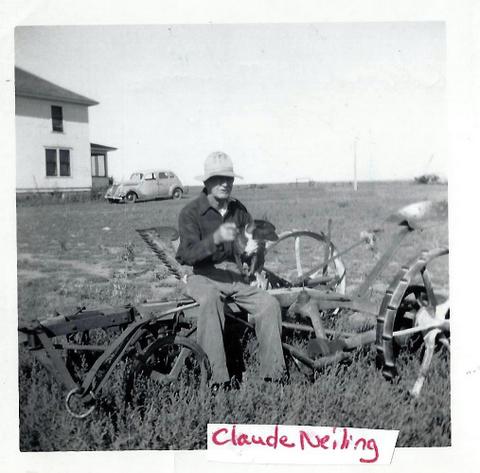
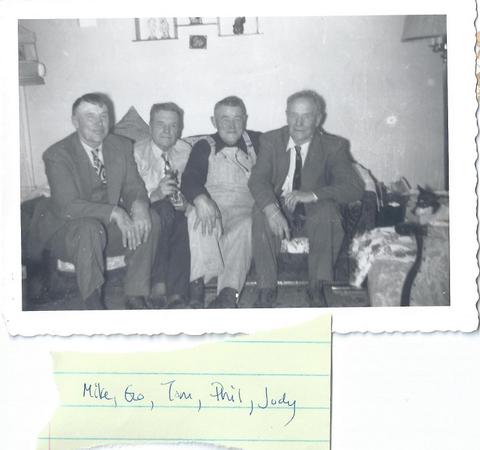
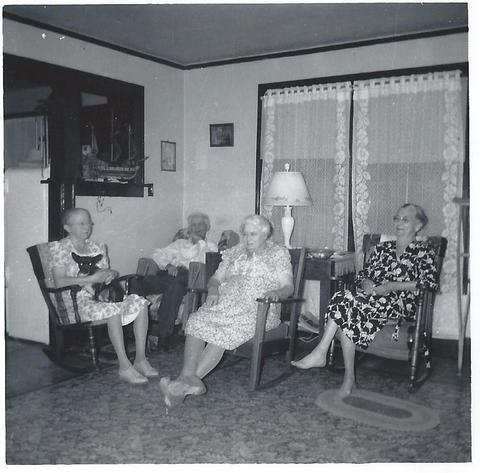
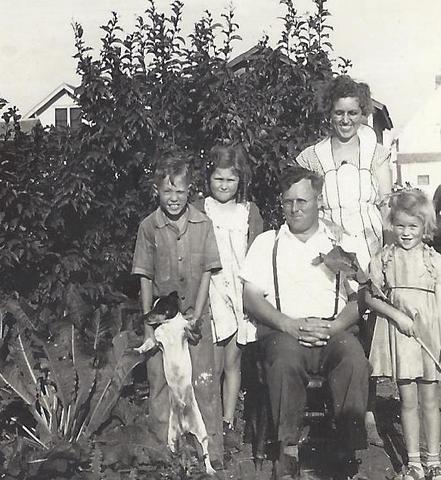
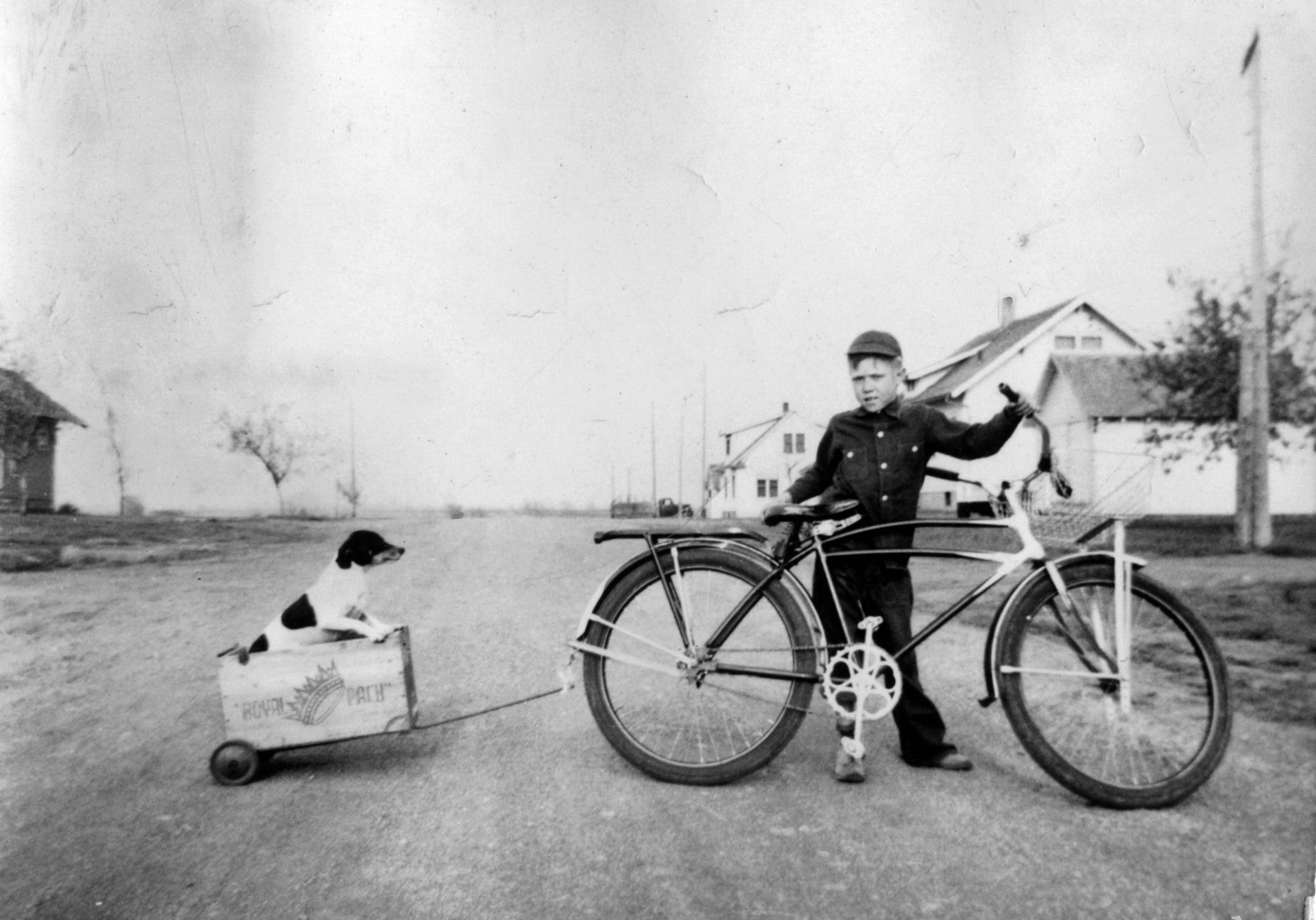
Once the family moved west—to Iowa and then South Dakota—the records change. There aren’t the same kinds of tax lists or court notes about dogs, but by the 1940s there are plenty of photos. Quite a few show the Nelings siblings with Claud Nelings’ dog, Judy. Tom Tyrrell and Judy are in a photo with his brothers. I have not found records of the Tyrrells owning dogs, but since Tom Tyrrell married Claud’s sister, Gertrude Nelings, that may explain why Claud’s Judy is there too (she is relaxing in her own chair while the brothers are all on a sofa). George Perry, who married Celia Tyrrell, didn’t grow up with pets at all. And Tommy, my dad, had Boppo, a terrier. I wish I’d asked him more about Boppo.
So that’s almost 200 years of dogs in the family—sometimes recorded in tax ledgers, sometimes in old photos, and always in memories.